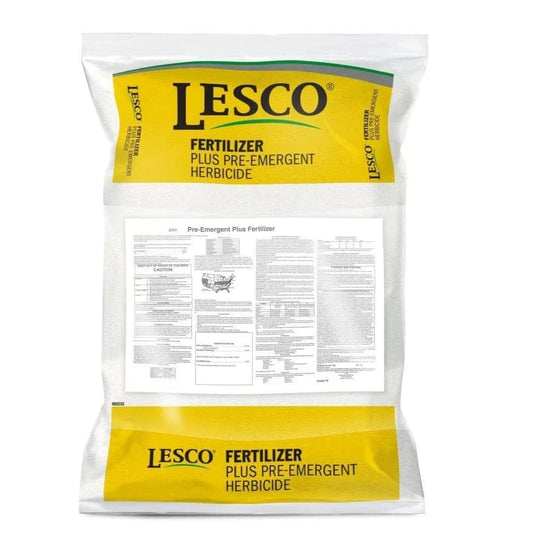
Spring Pre-Emergent

Spring Pre-Emergent

Stop crabgrass and spring weeds before they sprout. Learn when and how to apply spring pre emergent for season-long protection.

Shop by Category

Lawn Fertilizer

Feed your lawn for season-long results.

Grass Seed

Clean weed-free seed for a ultra-dark green lawn.

Weed Control

Clean up pesky weeds that don't belong in your lawn.

Fungicide

Prevent and cure disease in your lawn and ornamentals.

Insecticide

Don't let insects destroy your lawn. Treat ticks mosquitos, and more.

Shop By Lawn Type

Tall Fescue

Bermuda

Zoysia

St. Augustine

Centipede

Northern Lawns

Not sure what your lawn needs?

Join our Lawn of the Year Program and take the guesswork out of lawn care. We’ll deliver the right products at the right time, so your lawn gets exactly what it needs all season long.

How It Works

Choose Your Lawn
1

Choose Your Lawn

Tell us your lawn type and goals.

Get Your Program
2

Get Your Program

We recommend the right products and timing.

Apply With Confidence
3

Apply With Confidence

Simple steps for a thicker, greener lawn.

Choose Your Lawn
1

Choose Your Lawn

Tell us your lawn type and goals.

Get Your Program
2

Get Your Program

We recommend the right products and timing.

Apply With Confidence
3

Apply With Confidence

Simple steps for a thicker, greener lawn.

Get ahead of weeds with a properly timed spring pre emergent. Instead of reacting to weeds after they appear, applying pre emergent creates a protective barrier in the soil that prevents seeds from sprouting. If you’re putting down pre emergent at the right time, you’ll stop crabgrass, goosegrass, and many broadleaf weeds before they start.

Why Apply Pre Emergent in Spring?

Most spring lawn weeds germinate as soil temperatures climb through the mid-50s. A pre-emergent forms a thin barrier at the soil surface that stops new seedlings from establishing. The result is a cleaner lawn, less competition for nutrients and water, and a better foundation for summer color and density.

When to Apply

Apply your spring pre emergent before soil temperatures reach 55°F and again per label if you need extended coverage. In many regions that means early spring and again 6-8 weeks after. Water in immediately after application to activate the barrier. Avoid disturbing the soil after watering (raking, core aeration, heavy dethatching) because it can break the barrier.

What Weeds It Prevents

  • Crabgrass
  • Goosegrass
  • Annual bluegrass (poa annua) where it is still germinating
  • Chickweed, henbit, and other early-spring broadleaf weeds (product dependent)

How to Apply

  1. Use a calibrated broadcast spreader for even coverage.
  2. Follow label rates and make sure the turf is dry before spreading.
  3. Water in with at least 0.25" of irrigation to activate.
  4. Avoid disturbing the soil barrier after activation.

Our Recommended Spring Pre-Emergent Options

Guardian 13-0-10 (with Nutrients)

Guardian 13-0-10 combines season-long pre-emergent control (prodiamine) with nitrogen and potassium to support color, density, and stress tolerance going into summer. Ideal when you want feeding and weed prevention in one pass.

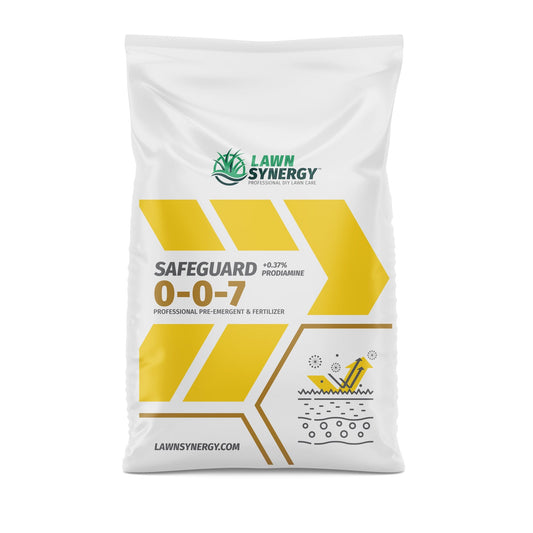
Safeguard 0-0-7 (Nutrient-Free)

Safeguard 0-0-7 delivers the same dependable pre-emergent protection without added nitrogen—great for lawns you don’t want to push with spring growth or areas where you only want barrier control.

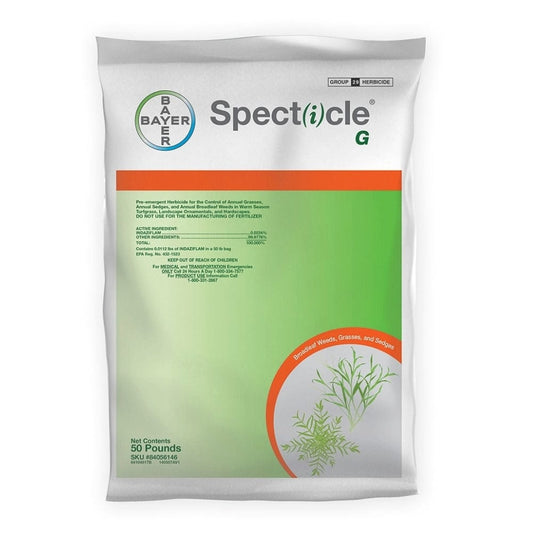
Specticle (Warm-Season Lawns Only)

Specticle (indaziflam) provides extended control on warm-season grasses (Bermuda, Zoysia, St. Augustine). Apply before soil temps cross 55°F for excellent crabgrass and broad-spectrum prevention. Do not use on cool-season turf.

Seeding This Spring?

If you plan to seed or overseed, do not apply pre-emergent—it will block your grass seed from germinating. Feed with a non-pre-emergent fertilizer instead (for example, our nutrient blends) and plan pre-emergent for a future window when you’re not seeding.

Key Tips

  • Time applications by soil temperature; aim just before 55°F.
  • Water in to activate; keep pets and people off until dry.
  • Consider a split application for extended control (per label).
  • Don’t aerate or heavily rake after activation.

Whether you’re applying pre emergent for the first time or fine-tuning your program, these products make putting down pre emergent simple and effective for a cleaner, healthier lawn all season.

Pro-Grade Products

Pro-Grade Products

Fast Shipping

Fast Shipping

DIY Friendly

DIY Friendly

Expert Support

Expert Support

Got Questions?

Frequently Asked.

When should I apply spring pre emergent?

Apply just before soil temperatures reach 55°F. In many areas that’s late winter to early spring. Water in immediately to activate the barrier.

What weeds does a spring pre emergent control?

Primarily crabgrass and goosegrass, with suppression of certain broadleaf weeds depending on the product. In some regions it can also help with late poa annua germination.

Should I do one or two applications?

Follow the product label. A split application can extend protection into summer, especially in high-pressure areas or where spring arrives gradually.

Can I seed after putting down pre emergent?

No. Pre-emergents prevent seed germination—your grass seed included. If you plan to seed, skip the pre-emergent and use a non-pre-emergent fertilizer. Seed only when you can avoid barrier products for the required interval.

Is it safe for pets?

Yes, once watered in and the lawn is dry. Keep pets and people off during application and until dry after activation.